Home › Common Problems › Sagging Roof Deck
Sagging Roof Deck
in Raleigh, NC
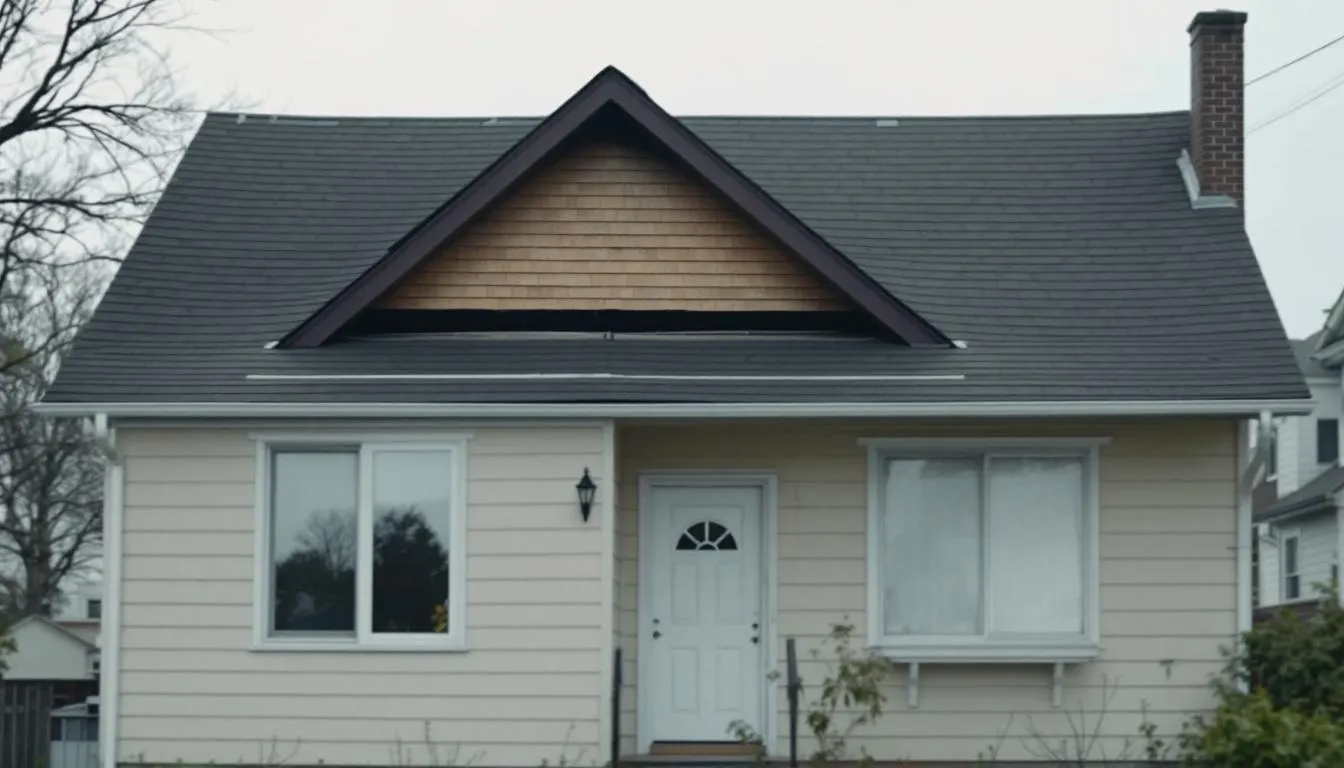
A sagging or wavy roof deck means the structural layer under your shingles is in trouble. Raleigh gets heavy rain all year and relative humidity stays high from May through September. Those conditions rot wood and grow mold inside roof assemblies fast. Homes built before modern ventilation codes were enforced in Wake County are especially at risk. Wait too long and the damage reaches the rafters themselves.
Raleigh Roof Repair Pros helps Raleigh, NC homeowners fix sagging roof deck — call for a free inspection.
Quick Answer
A wavy or sunken roof means the wood underneath your shingles is rotting, which happens fast in Raleigh's wet, humid summers. A roofer cuts out the soft wood and puts in new solid decking before the damage spreads to the rafters. Call (984) 500-1173 right away if you can see a dip or sag from the ground.
Telltale Signs
Warning Signs to Watch For
- Visible waves or dips in the roofline when viewed from the street at a low angle
- Soft or spongy feeling underfoot when walking on the roof surface
- Shingles cracking or breaking along lines that follow the rafter spacing
- Attic inspection reveals dark staining, soft wood, or visible mold on sheathing panels
- Gutters pulling away from the fascia as the roof edge deflects downward
- Interior ceiling drywall cracking or bowing in rooms directly below the sagging area
Root Causes
What Causes Sagging Roof Deck?
Moisture Rot in Sheathing
Raleigh's long humid summers keep relative humidity above 80% for weeks at a time. That moisture builds up in poorly ventilated attics and rots the sheathing from the inside out. Sheathing is the wood panel layer nailed to the rafters under the shingles. Homes built in the 1980s and early 1990s in neighborhoods like Cary and Apex often used OSB sheathing, which is especially sensitive to that kind of moisture damage.
The Fix
Roof Deck Replacement and Ventilation Upgrade
Rotted sheathing panels come out and the rafters underneath get inspected. Any weak rafter gets treated or sistered before new exterior-grade plywood goes in at the thickness required by NC Building Code. A ventilation check follows to see if more ridge or soffit venting is needed to keep it from happening again.
Rafter Overspan or Undersizing
Wake County saw a lot of fast home-building through the 1970s and 1980s. Some builders cut rafter sizes down to the bare minimum the code allowed at the time. That left no room for extra weight from roof-mounted HVAC equipment or a second layer of shingles added later. That extra load causes rafters to sag in the middle over time. The sheathing pulls down with them and you get a wavy roofline.
The Fix
Rafter Sistering and Structural Reinforcement
New full-length rafters get installed right alongside the sagging originals and locked in with structural screws and joist hanger hardware. Joist hangers are metal brackets that hold the rafter ends securely in place. That effectively doubles the carrying strength of the weak bays. New sheathing and shingles go on after the roof plane is flat again.
Ice Dam and Freeze-Thaw Damage
Raleigh's winters are mild on average, but January and February bring several freeze-thaw cycles. Daytime temperatures climb above freezing and overnight temperatures drop into the mid-20s. Snowmelt refreezes at the cold eave overhang and backs water under the shingles. The eave edge of the sheathing is the most exposed spot and the first panel zone to delaminate and sag.
The Fix
Ice and Water Shield Installation with Deck Repair
Damaged edge sheathing gets replaced before anything else. A self-adhering ice-and-water shield membrane goes in along the first 3 feet of eave as required by NC code, and also in all valleys and around every penetration.
Self-Diagnosis
Which Cause Applies to You?
Check the signs you're observing to narrow down the likely root cause before your inspection.
| What You're Seeing | Moisture Rot in Sheathing | Rafter Overspan or Undersizing | Ice Dam and Freeze-Thaw Damage |
|---|---|---|---|
| Spongy sheathing concentrated in the middle of roof bays between rafters | |||
| Uniform sagging visible across a wide span between ridge and eave | |||
| Damage and soft spots concentrated along the eave edge only | |||
| Dark mold staining visible on attic side of sheathing panels | |||
| Sagging worsened after HVAC unit or satellite dish was added to roof | |||
| Shingle granule loss and cracking concentrated at the drip edge |
Free Quote
Get a free quote in Raleigh
No obligation — tell us what's going on and we'll text you back shortly.
Other Problems
Services That Fix This
Sagging Roof Deck Near You
Also Helpful